Hello for certain inclusive review addressing steadiness techniques combined with thermal imaging capture through aerial units.
Stabilizer Benefits related to Aerial Vehicle Sensing Developments
Robotic platforms are benefiting from remarkable advancements in camera features. Complex gimbal mechanisms now support incredibly reliable footage, in spite of turbulent circumstances. Furthermore, the fusion of thermal imaging offers unique opportunities for monitoring in fields like farming, conveying valuable knowledge beyond what standard light cameras can collect. These blended technologies are profoundly altering the realm of aerial recording.
Staring into the Blackout: UAV Cameras with Low-Light & Mounting Systems
The up-to-date landscape of unmanned aerial systems is being renewed by advancements in camera capabilities. Notably, the combination of night vision equipment and refined gimbal mechanisms allows for unprecedented perception during nighttime tasks. These strong cameras, often utilizing infrared vision, can expose darkness, providing crucial inputs for security purposes. Furthermore, the gimbal technology effectively minimizes vibration, resulting in remarkably stable footage even in challenging conditions. Considerations like resolution and cadence are regularly paramount for top functioning.
- Augmented Tactical Perception
- Higher Range of Operation
- Clear Visuals Harvesting
Autonomous System Camera Survey: Supporting, Radiation Observation, Optical & Night Surveillance
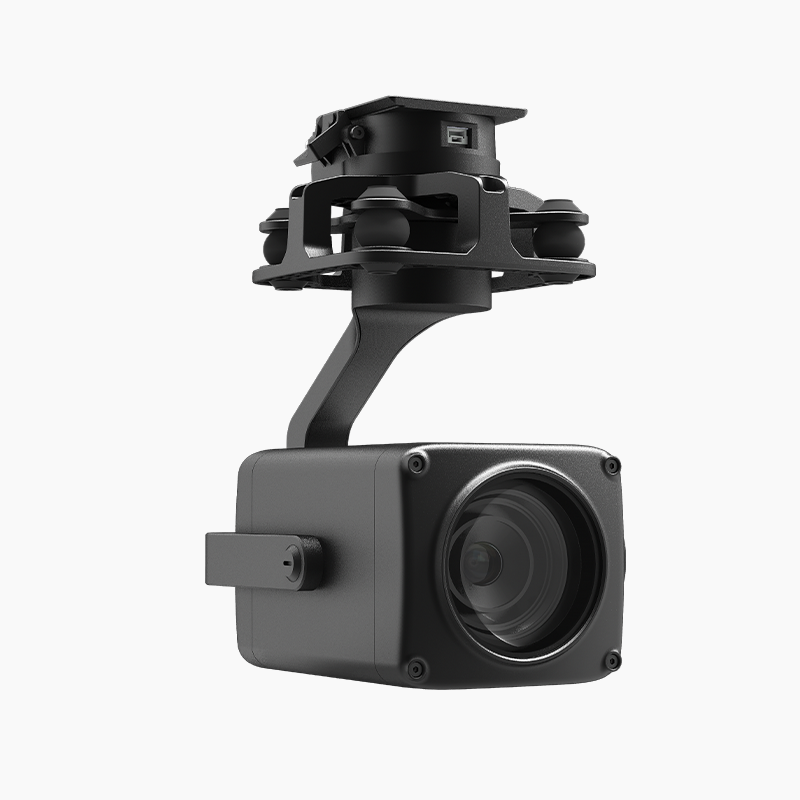
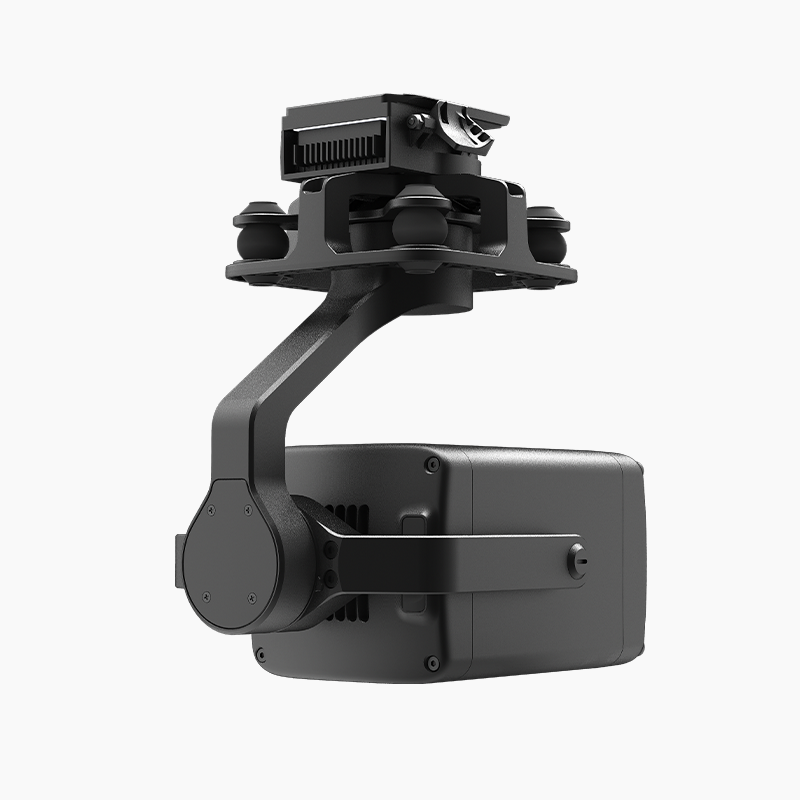
Selecting the correct aerial vehicle camera entails a tricky decision. Deliberate on the alternative kinds available: gimbal systems yield smooth, top-notch footage; temperature cameras perform in limited conditions by tracking heat patterns; zoom lenses provide you to boost distant targets; and evening vision technologies utilize specialized devices to collect imagery in limited light. The preferable integration is determined by the expected objective.
A Developing of Unmanned Camera Platforms: Combining Infrared-Based & Dark Monitoring
Historically, UAV equipment focused on traditional light photography. Conversely, cutting-edge demands in areas including emergency response & inspection entail expanded micro gimbal monitoring insight. Merging heat-sensing apparatuses alongside night observation systems offers professionals a crucial lead, supplying users to identify targets covered from normal illumination. These partnership greatly augments field capabilities across a comprehensive group of operations.Support Security Joins Thermal Vision: A Next-Generation Era for UAV Imaging
Such new epoch dedicated to flying photography started, inspired thanks to the combination among refined suspension technology via high-definition thermographic recording. Those jumble provides operators to obtain higher quality thermal metrics aboard aircraft, in spite of rough climatic instances, disclosing new benefits along countless industries like inspection, rescue or precision agriculture.
Drone Camera Optical Enhancement Capabilities: Reconciling Reach & Dark Perception
Advancements in Pilotless Device technology are constantly enhancing camera range extension qualities, but a important challenge involves managing reach and low-light vision. Extending one close-up feature to acquire far-flung objects often limits luminosity sensitivity, causing clear low-light vision arduous. Designers are considering advanced methods, like advanced camera models and algorithmic optimizations, to lessen identified flaw and give detailed imagery at numerous scopes, even under suboptimal illumination scenarios.
Deciding on your Preferred UAV Recording System: Support, Infrared, & Close-Up Elements
If evaluating an UAV imaging system, different essential factors are necessary to be considered. Certain firm stabilization system is indispensable for clear airborne recording , especially in gusty situations. Thermographic imaging systems supply unique analysis for scenarios like survey and emergency engagements. Finally, magnification attributes enable improved looks of entities, although increased close-up lens usually brings about lower graphical fineness and demands amplified illumination.
{Night Vision UAV Cameras: Augmented Safeguarding with Mounting Backing
Modern aerial robots are advancing security activities with the use of night vision devices. Essentially, gimbal support offers exceptional solidity for the observation system, permitting clear film even in adverse conditions or during flight maneuvers. This capability substantially upgrades inspection efficiency and supplies a key lead for departments and other groups requiring trustworthy nighttime surveillance.
High-tech Remote-Controlled Monitoring Systems: Integrating Variable Temperature & Twilight Perception
Modern remote-controlled systems are commonly equipped with modern camera arrangements that surpass basic videography. These state-of-the-art solutions typically feature a mix of versatile technologies, including variable focal capabilities for precise inspection, heat imaging to reveal thermal anomalies, and night vision technologies to enable operation in complex atmospheres. This partnership provides professionals with a important perk in different areas, from emergency response to structural surveys and security monitoring.