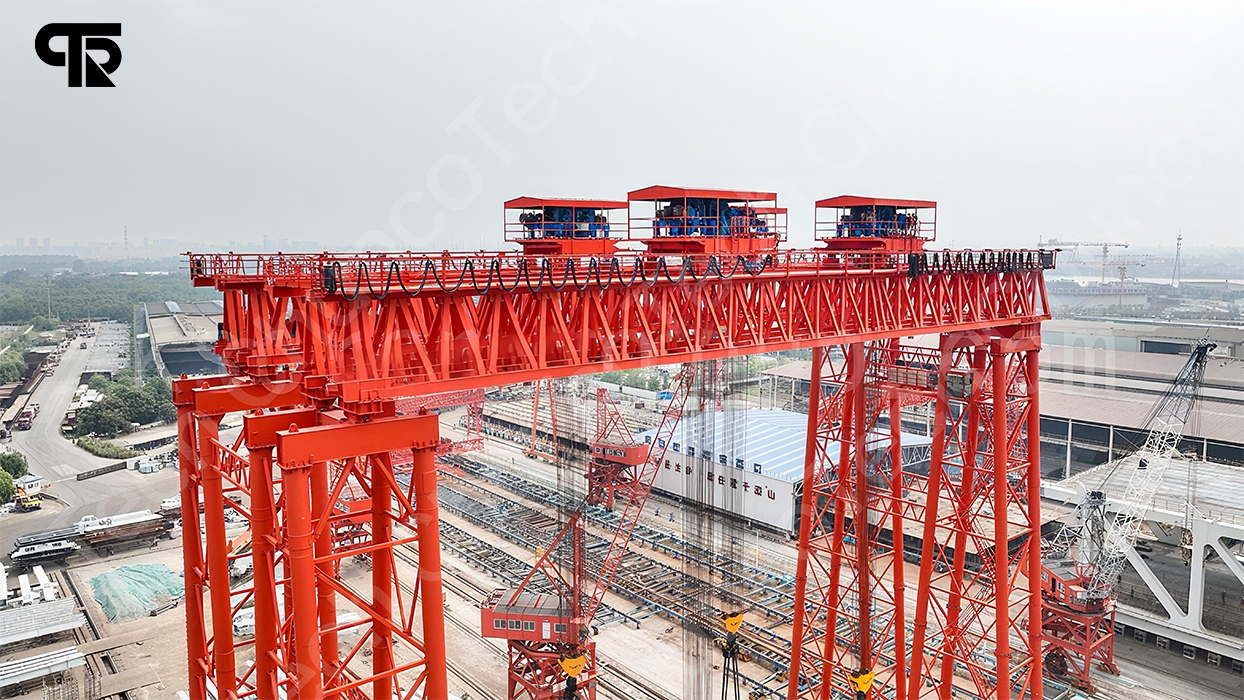
Settling on a jib, the choice often amounts to articulated boom versus extendable boom. Constant booms grant simplicity and are optimal for erect lifts, but articulated arms supply elevated maneuverability, allowing access to restricted spaces. Deliberate on the job site; if you’re mostly facing impediments or want more complex positioning, a pivoting lift is usually the prime option. However, for unconfined areas and basic lifts, a rigid hoist might act as a superior financially prudent answer.
Grasping Solid Jib Arm Lifting Systems: Tasks and Benefits
Rigid arm hoists represent a custom type of loading equipment, fashioned for considerable load processing in laborious locales. Their primary characteristic is a rigid boom construction, which enables for precise positioning and enhanced stability, especially when operating in confined spaces or at substantial heights. Common applications include bridge formation, assembly campaigns, breeze land fitting, and facility expansion. The crucial profits comprise increased security, enhanced competence, and the means to perform tasks that may be infeasible with standard equipment. This results to curtailed expenditures and augmented venture outcomes.
Quay Loaders: The Powerhouses of Ship-to-Shore Container Logistics
Contemporary gigantic STS lifting devices represent the zenith of engineering attainment in the seafaring industry. Designed to reliably load and unload containers between flotillas and the berth, they are vital for the fluent operation of modern docks. Their scale – often exceeding a triple-digit linear feet – and astounding capacity allow them to handle the heaviest container vessels currently in work, fundamentally directing global business.
Knuckle Boom Cranes: Versatility in Loading Activities
Folding equipment are celebrated for their exceptional flexibility, providing controllers with a special advantage in variegated elevating assignments. Incorporating a articulating boom piece, these robust loaders can extend around interferences and situate items in restricted places. This feature makes them fitting for uses in fabrication, logistics, facilities work, and varied other divisions. To sum up, knuckle boom loaders offer a significant alternative to tough elevating stipulations.
Straight Boom Cranes: Precision and Security Defined
Linear jib arm apparatus are celebrated for their impressive aptitude to deliver exact lifting and alignment of weights. Differing from bendable models, their elementary design leads to fundamental robustness, making them befitting for tasks requiring considerable magnitudes of supervision and reduced oscillation. This property is eminently important in development sites and areas where tight tolerances are critical.
Stiff Lifting System Advantages: Once Resilience Is Necessary
Traditional boom equipment often face challenges with warping, especially when carrying weighty materials or carrying out at ample ranges. However, stiff arm equipment deliver a notable edge by preventing undesirable oscillation. This augmented steadiness amounts to protected activities, greater exactness, and a decreased likelihood of material displacement. Therefore, rigid lifting are ideal for applications where systematic resilience is important.
Jetty Cranes: Distinct Insightful Study into STS Mechanisms
Such harborside gantry technology represents a paramount component pertaining to modern material stations. Modern STS lifting systems are state-of-the-art frameworks built to efficiently shift packages out of large shipborne crafts towards land-based logistics. Each working requires exactitude fabrication and sophisticated technology to ensure defense and increase throughput.
Examining Hoisting Types: Articulating, Fixed, Luffing, and STS
Deciding on the correct crane for a precise purpose is critical. While many options exist, four standard models – knuckle cranes, fixed cranes, rigid cranes, and pier cranes – illustrate significantly different qualifications. Articulating cranes yield superior maneuverability due to their bent arm, making them befitting for tight environs. Straight cranes supply versatile span through their expandable segment, prime for widespread heaving requirements. Heavy-Duty cranes conserve a steady division, best for meticulous positions where rigidity is required. Finally, STS cranes, engineered for shipment handling at terminals, offer massive carrying ability and ample span.
- Pivoting Apparatus Varieties
- Rigid Handler Classes
- Luffing Lifter Forms
- Jetty Crane Varieties
Certain Change In relation to STS Cranes: Developments and Breakthroughs
Across recent phases, STS (Ship-to-Shore) crane technology has undergone a remarkable shift, propelled by requests for heightened port capability. Early STS cranes were relatively simple machines, featuring basic elevating mechanisms. Now, up-to-date STS cranes contain sophisticated machinery, including progressive control systems, interactive positioning capabilities, and enhanced safety measures. A key direction is the adoption of electrified propulsion, decreasing exhalations and raising operational durability. As well, the rise growing prevalence self-driving operation and algorithmic maintenance are modifying the field related to STS crane deployment. The forecast sees persistent emphasis on resource conservation and the development of even enhanced cranes to serve gradually bigger container trucks.
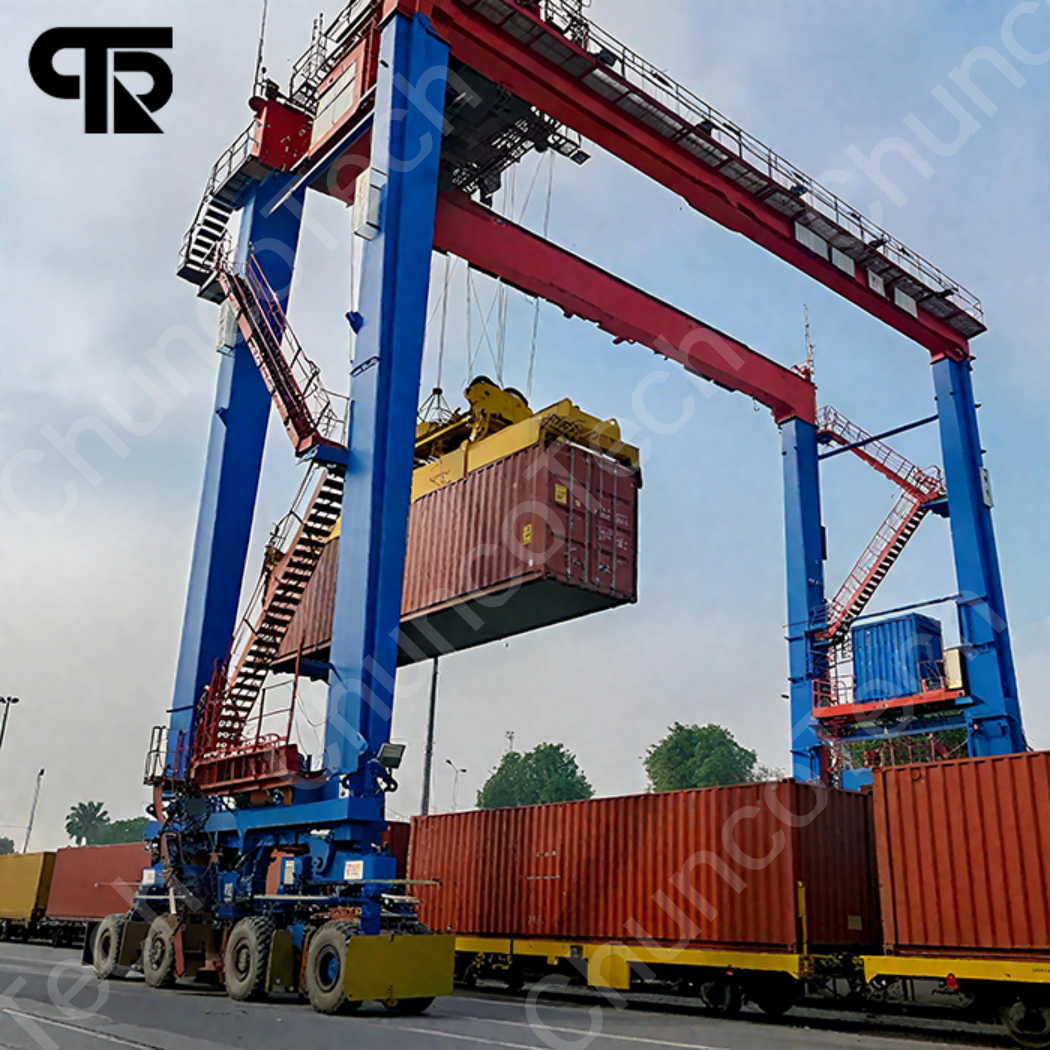 Floating Dock Crane