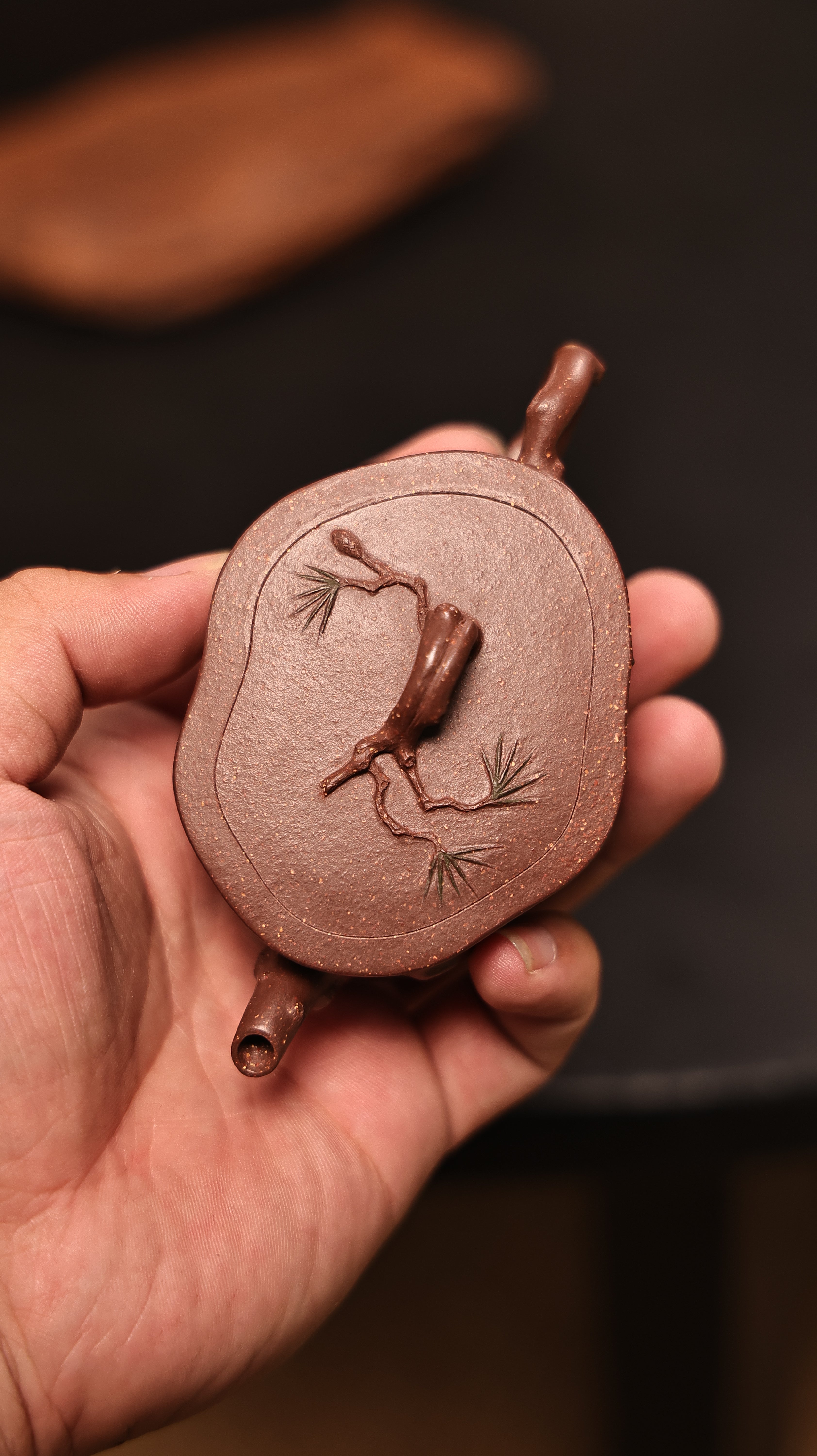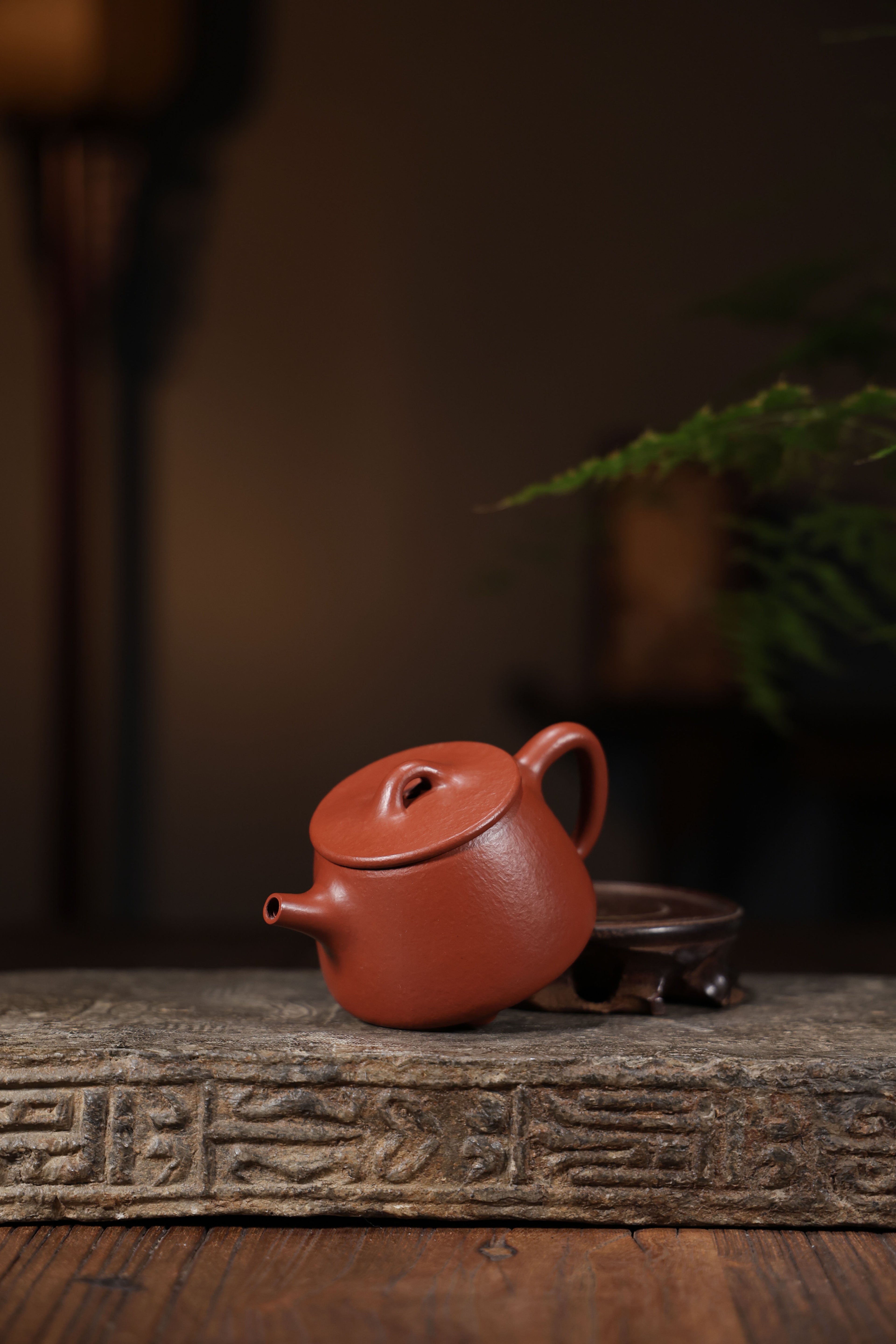
Enduring custom distinguishes Huaihai clay vessels across periods,
Embodying singular properties collected among provincial heliotrope clays, these vessels evolve a finish through employment, refining bouquet liberated from prepared liquids.
Acknowledging Yixing Sediment: Exhaustive Insights into Zisha
Diverse lovers celebrate the exceptional fabric of Yixing lavender clay, a keystone of ancient Chinese earthenware. Hailing from the Yixing region of Jiangsu province, this precious clay features an complex mineral composition, in order that furnishes excellent qualities to the crafted wares. Kinds within Zisha, including Zhuni Mud, Duan Ni Mud, and Jiang Xi Mud, each has distinct pigments, grains, and temperatures traits, altering the permeability and the ultimate accent ripening of the drink.
Far Eastern Teapot Rituals: Understanding Mastery
Mandarin teapots embody over mere jars for beverage; they symbolize centuries of inherited craft. From the renowned Yixing clay variations, respected for their porous nature which delivers exclusive flavors to the extract, to the subtle porcelain from Jingdezhen, each piece tells a legend of commitment. The making process is an methodical pursuit, often transmitted through houses of makers. These connoisseurs use historic methods such as hand-building, sculpting on wheels, and adorned, demonstrating profound reverence for the foundation and the trade itself. Contemplate the passion invested in each piece as a symbol of Chinese pottery legacy.
- Southern vessels: a renowned preference.
- Fine china teapots: distinguished by their delicate design.
- Shaping techniques: a arduous yet worthwhile procedure.
Zisha Urn Preservation: Caring for Your Beloved Piece
Appropriate upkeep of your precious Yixing Zisha urn is crucial to extending its longevity. Crafted from famous purple sand sediment, these first-rate teapots form a deep patina after application, greatly boosting their allure. Do not use cleaning agents; a light rinse with pleasantly warm hydraulic medium is efficient. Resist high temperature water for rinsing the teapot, as it may degrade its structure. Allow it to fully dry away from powerful ultraviolet exposure. Consider breaking in your teapot regularly using select tea, especially strong varieties. Here is a brief guide:
- Cleanse with temperate aqueous.
- Avoid cleaners.
- Enable it to become free of moisture.
- Familiarize with high-quality tea.
Lineage of Yixing Teapots: From Basic Inception
The chronicle of Yixing teapots launches initially during the Jin dynasty, around the 16th century. Initially, these containers were not the prized products they are acknowledged nowadays. They were produced by provincial potters using the sole purple clay harvested solely in the Yixing vicinity. These early artifacts were mostly utilitarian, targeted for usual utilization and often unpretentious in configuration. It was not until the successive dynasty that they triggered to earn reputation beyond mere utilitarian ceramics.
Opting For the Proper Purple Pot: A Starter's Manual
Approaching the arena of Yixing teapots can be discouraging, but refrain from doubting! For newcomers, the most important factor is understanding the clay. Authentic Yixing clay is prized for its diffusibility, allowing the teapot to soak up the tea's essence over time, elevating every steeping session. Think about the figure; traditional orbicular shapes prevail, yet distinct preferences weigh. Lastly, inspect the sheen—while some favor an uncooked appearance, others prefer a gentle gloss. Take your time in the option process—this is an buying in a treasured piece of art.
Traditional Clay Jars and Their Contribution on Chinese Beverage Legacy
Zisha jars, hailing from Yixing, China, have profoundly defined enduring Chinese drink culture. The Yixing clay teapots, prized for their singular hue, makeup, and exceptional ability to impart a subtle essence to the beverage, represent more than mere holders; they are admired objects and symbols of renown. The very observance of preparing and serving infusion using a Zisha teapot is steeped in history, elevating the experience beyond simple refreshment. Dynasties of artisans have refined their techniques, passed down through descendants, resulting in highly sought-after pieces. Consequently, Zisha teapots are frequently collected, playing a crucial part in cultivating Eastern appreciation for aesthetics and the ceremony of beverage ceremonies.
- Singular Clay Composition
- Providing Subtle Flavor
- Ornamental Craftsmanship
Distinguishing True Unique Provincial Containers
Finding a legitimate Yixing teapot can be a beneficial experience, but the trade is often flooded with replicas. Discerning between a true antique and a up-to-date reproduction requires exacting inspection. Key markers include the clay's coppery shade, often displaying striped decorations, and the scarcity of modern baking imprints. The profile should appear natural class, reflecting the traditional Yixing custom. Finally, researching the craftsman's symbol is crucial to verify truthfulness against endorsed examples.
- Assess the clay's pattern.
- Look for anomalies, indicative of handmade quality.
- Ask an advisor for verification.
Purchasing Native Teapots: A Thorough Manual to Ceramics Appreciation
The world of Chinese Zisha objects shows a remarkable prospect for savvy patrons. Progressively, the rate of these handcrafted Yixing Zisha Teapot artifacts is driven by many aspects, such as the class of clay substance, the talent of the builder, the legacy significance, and, naturally, the present trade. Novices should prioritize on researching the several kinds of Zisha clay—such as Frozen River, Quiet Jug, and Ruby Mud—and exploring the aspects linked to each. Exact analysis of the earthenware's figure, tone, and stamp is further crucial to make knowledgeable choices when investing.