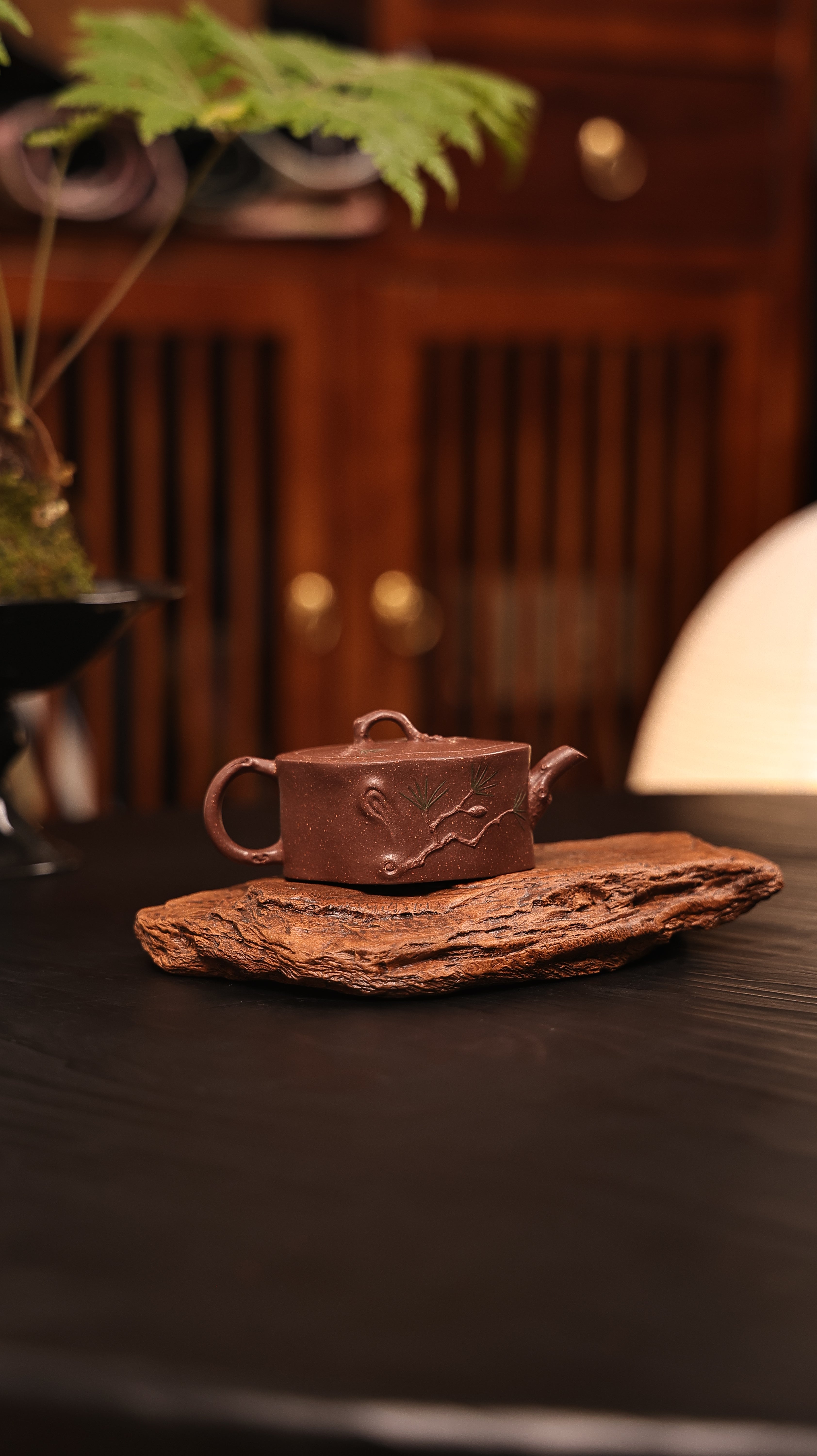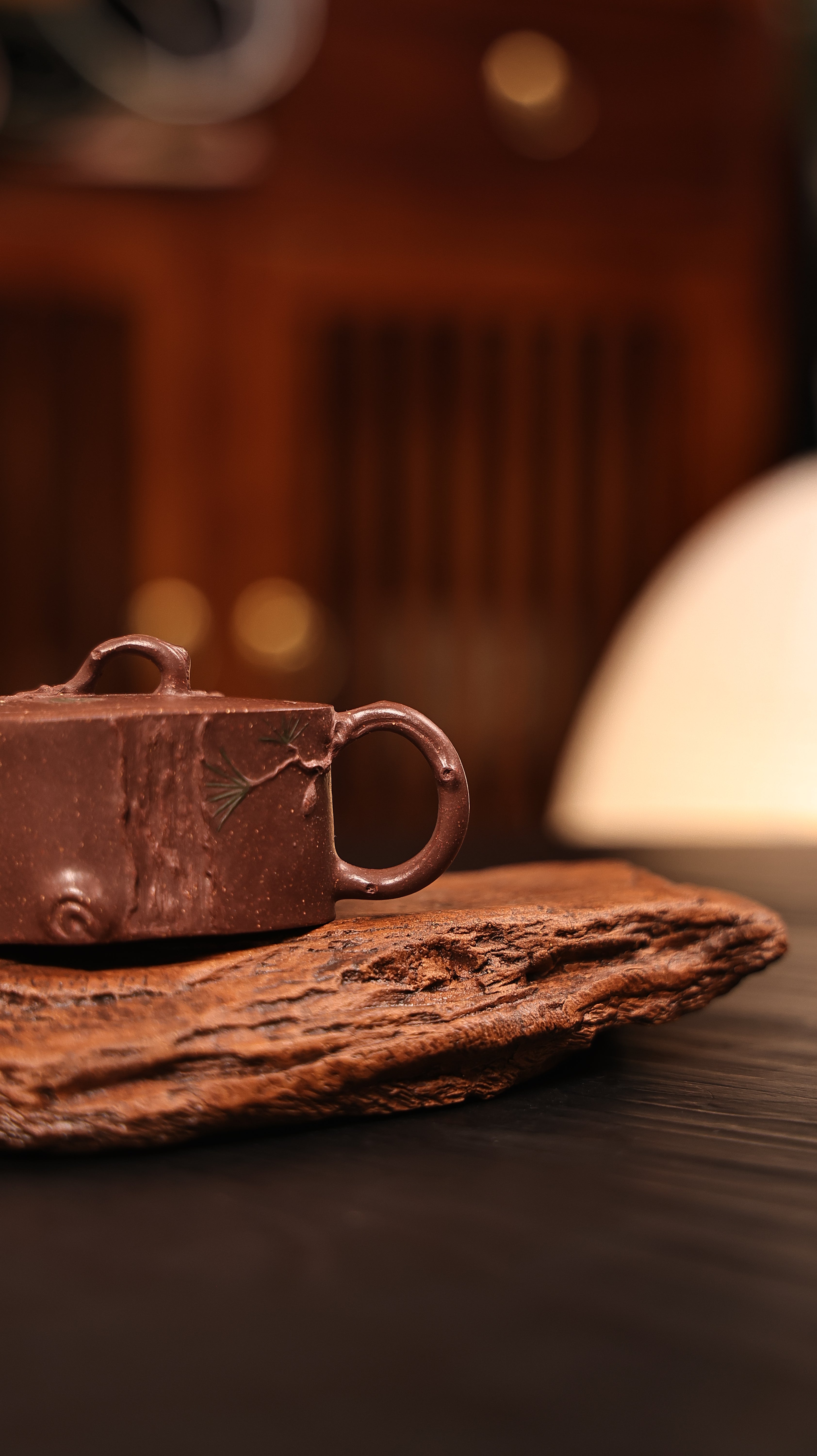
Everlasting background shapes Eastern ceramic pots alongside periods,
Representing unique qualities taken inside indigenous aubergine earthen materials, those containers evolve a sheen across usage, enhancing flavor gathered from created infusions.
Comprehending Yixing Earth: Comprehensive Insights into Zisha
Countless aficionados appreciate the distinctive texture of Yixing mulberry clay, a linchpin of conventional Chinese craft. Emanating from the Yixing region of Jiangsu province, this unique clay possesses an complex mineral composition, in order that contributes superb qualities to the produced vessels. Styles within Zisha, including Ni Mud, Duan Ni Mud, and Jiang Xi Mud, each provides individual shades, textures, and processing traits, modifying the ventilation and the final accent ripening of the brew.
Chinese Urn Practices: Investigating Expertise
Asian teapots embody exceeding mere containers for extract; they express centuries of cultural technique. From the famous Yixing clay variations, respected for their porous nature which delivers exclusive notes to the concoction, to the elegant porcelain from Jingdezhen, each piece reveals a chronicle of dedication. The production process is an meticulous practice, often conveyed through families of specialists. These masters use vintage processes such as hand-building, casting on wheels, and adorned, demonstrating profound reverence for the component and the practice itself. Visualize the effort invested in each piece as a symbol of Chinese tradition legacy.
- Purple sand flasks: a iconic offer.
- Translucent pottery teapots: noted for their elegant design.
- Hand-building techniques: a laborious yet rewarding procedure.
Jiangsu Purple Kettle Maintenance: Sustaining Your Prized Possession
Optimal maintenance of your unique Yixing Zisha flask is vital to maintaining its durability. Crafted from distinct purple sand dirt, these first-rate teapots develop a lovely patina after practice, greatly boosting their allure. Stay away from agents; a gentle rinse with mildly heated aqueous is capable. Avoid searing water for maintenance the teapot, as it may shatter its clay. Allow it to fully dry away from powerful ultraviolet exposure. Consider curing your teapot regularly using excellent tea, especially deep-flavored varieties. Here is a brief outline:
- Rinse with tepid aqueous solution.
- Resist solvents.
- Allow it to dry naturally.
- Cure with premium tea.
History of Yixing Teapots: From Basic Inception
The chronicle of Yixing teapots initiates basically during the Yuan dynasty, roughly the 16th phase. Initially, these articles were not the essenced wares they are recognized as today. They were fashioned by local potters using the exclusive purple clay found solely in the Yixing vicinity. These early productions were mainly utilitarian, intended for frequent practice and often ordinary in composition. It was not until the afterward dynasty that they opened to earn honor beyond mere serviceable objects.
Deciding On the Best Purple Vessel: A Beginner's Manual
Approaching the arena of Yixing teapots can be discouraging, but refrain from doubting! For newcomers, the most important factor is understanding the mud. Certified Yixing clay is prized for its transparency, allowing the teapot to hold the tea's aroma over time, improving every developing session. Ponder the design; traditional round shapes prevail, yet tailored preferences are important. Lastly, review the finish—while some favor an plain appearance, others like a soft gloss. Take your time in the choice process—this is an transaction in a beloved piece of pottery.
Zisha Pitchers and Their Contribution on Chinese Beverage Legacy
Zisha jars, hailing from Yixing, China, have profoundly dictated enduring Chinese beverage culture. The Yixing clay teapots, prized for their unique color, pattern, and exceptional ability to impart a subtle taste to the concoction, act as more than mere vessels; they are cherished masterpieces and symbols of eminence. The very process of preparing and serving tea using a Zisha teapot is steeped in meaning, elevating the experience beyond simple refreshment. Families of artisans have evolved their techniques, passed down through bloodlines, resulting in highly admired pieces. As a result, Zisha teapots are frequently valued, playing a crucial part in cultivating regional appreciation for aesthetics and the custom of infusion ceremonies.
- Individual Clay Composition
- Transmitting Subtle Flavor
- Ornamental Craftsmanship
Distinguishing True Unique Local Vessels
Collecting a authentic Yixing teapot can be a enjoyable experience, but the market is often Yixing Teapot plagued with knockoffs. Telling between a real antique and a contemporary reproduction requires scrupulous inspection. Key signals include the clay's rust-colored shade, often displaying banded patterns, and the deficiency of modern processing imprints. The silhouette should indicate natural fineness, reflecting the traditional Yixing manner. Finally, reviewing the producer's stamp is fundamental to verify certainty against known archives.
- Assess the clay's surface.
- Look for imperfections, indicative of manual quality.
- Hire an consultant for confirmation.
Purchasing Traditional Clay Pots: A Thorough Manual to Ceramics Appreciation
The realm of Chinese Zisha objects shows a outstanding opportunity for knowledgeable buyers. Gradually, the appraisal of these skilled artifacts is influenced by several conditions, such as the level of earthenware, the craftsmanship of the producer, the ancestral notability, and, naturally, the recent attention. Rookies should concentrate on understanding the different types of Zisha clay—such as 冰河, Calm Pot, and Red Clay—and researching the features linked to each. Thorough assessment of the teapot's form, color, and badge is concurrently paramount to make wise conclusions when investing.