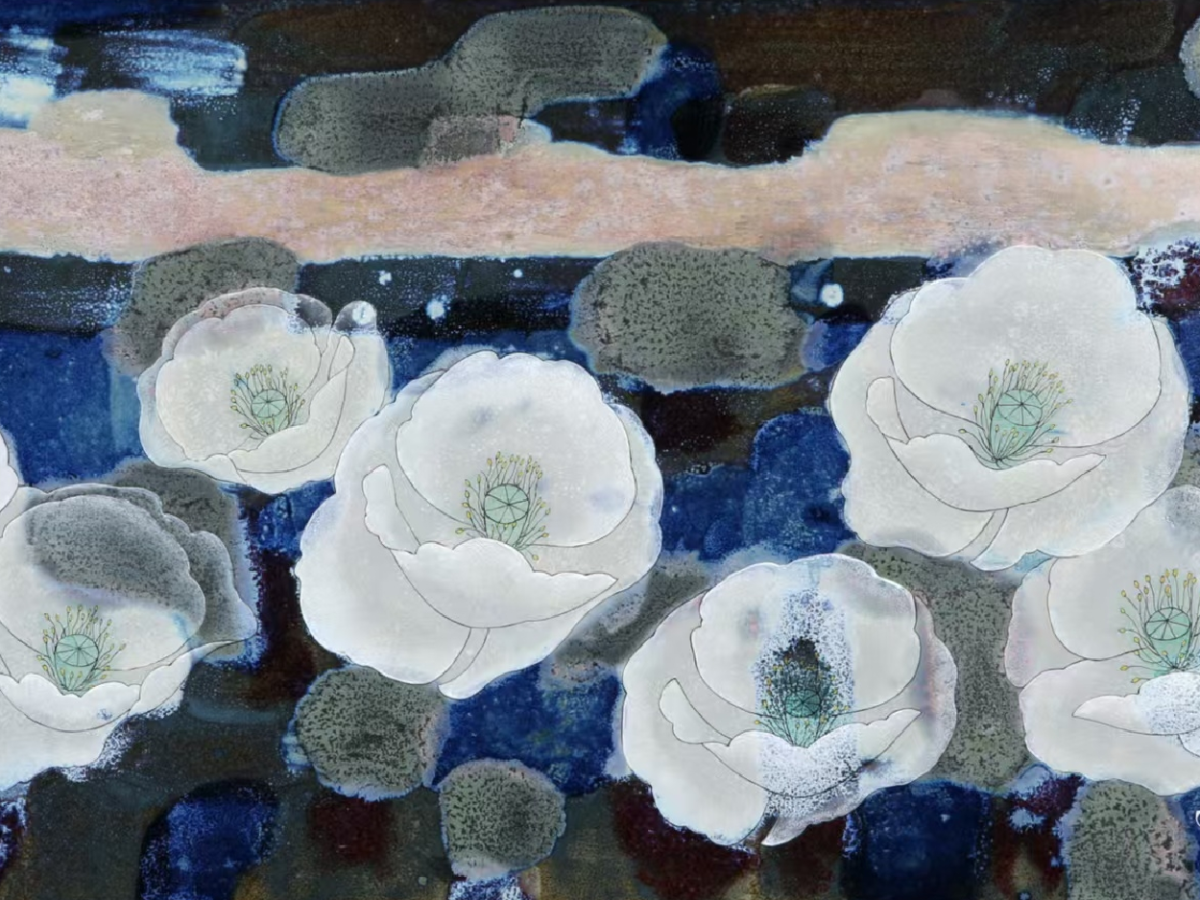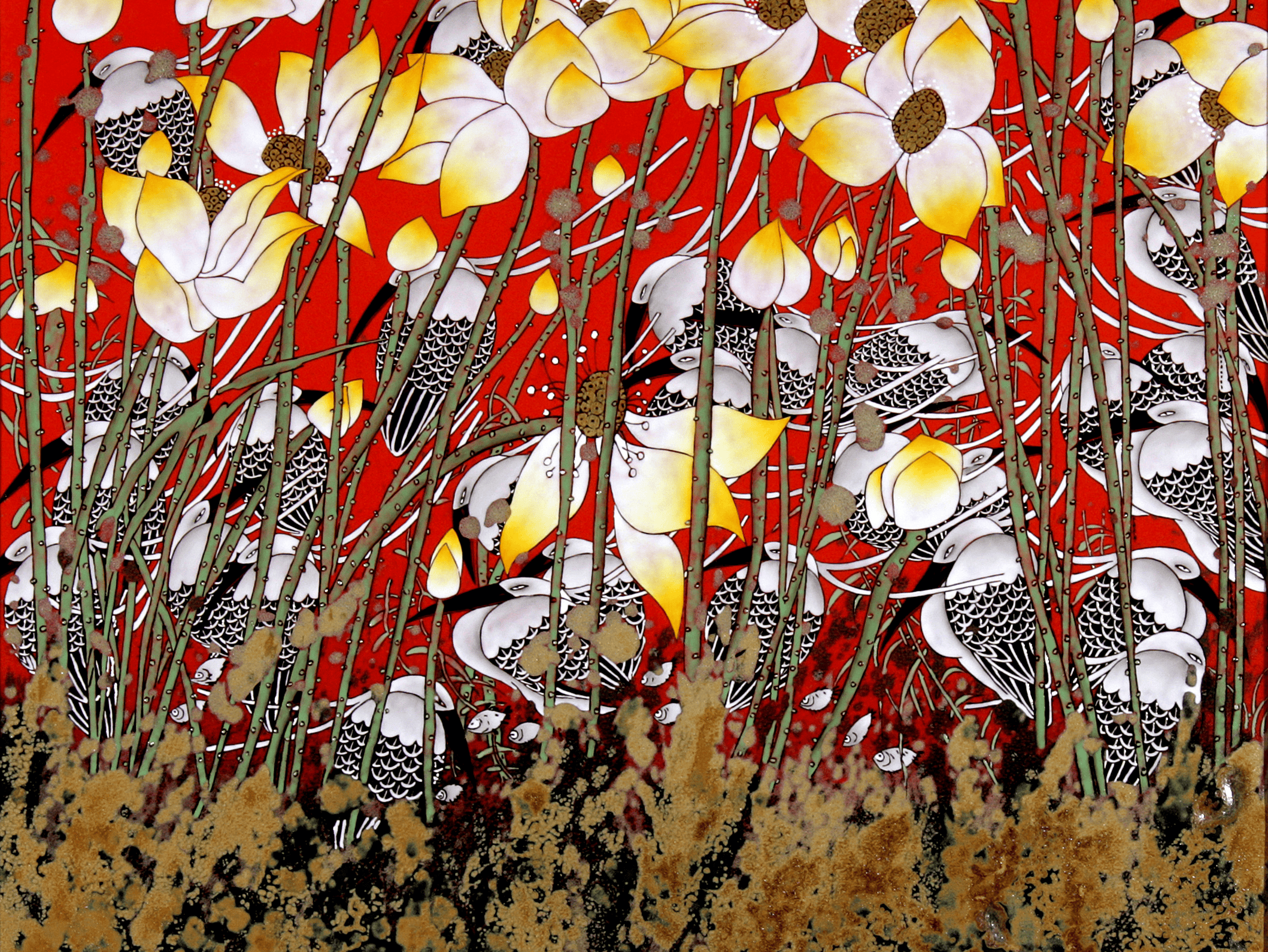
Pottery model constitutes a impressive expression genre with a considerable past, covering back innumerable of eras. From ancient holders to present-day installations, the matter offers unique possibilities for creative rendering. Designers manipulate diverse techniques – including molding, wheel manipulating, and advanced firing processes – to convert humble terracotta into beautiful three-dimensional creations. The resilience of fired porcelain also contributes to its status as a truly consequential part of human heritage.
Delving into Porcelain Board Designs and Processes
The domain of ceramic sign design offers a sizable array of creative possibilities. Designers often incorporate a fusion of authentic and up-to-date techniques to develop visually striking pieces. These can extend from simple, sculpted reliefs to complex, multi-layered structures. Standard methods include shape forming, sculpting by hand, the glaze process – which can involve multiple modes like underglaze painting, post-firing embellishment, and etched pattern where designs are brought out by peeling off a layer of varnish. Extra analysis into decorative coatings such as quick baking and metallic glaze can bring about truly exceptional and bespoke stoneware panels.
- The slip cast process - Forming pieces using a mold
- Hand Building - Directly shaping the terracotta
- Varnishing - Painting the top with a glassy finish
- Scratched design - Making visible designs by excavating films
Absorbing Experiences: Clay Art Assemblies
The progressing landscape of design presents exciting innovative avenues for viewers, and ceramic art installations are at the apex of this revolution. These aren't just static pieces; they are designed to envelop the participant in a sensory setting. Imagine stepping into a forest of towering, embellished ceramic trees, or navigating a tangle of fragile ceramic vessels. Many producers are now incorporating tones, illumination, and even smell to enhance the impression of their work. Think about the power of a room filled with hundreds of thoughtfully ceramic works, each telling a story. Often, such installations analyze themes of natural world, remembrance, and mankind.
- These installations blur the edges between creation and venue.
- Observing a ceramic art installation can be a deeply personal journey.
- Craftsmen are pushing the thresholds of what is achievable with clay.
Such Allure of the Terracotta Pot: Application and Shape
The porcelain vase represents a notable conjunction of usefulness and stylish appeal. Historically, these receptacles served a primary duty in sustaining contents, but their progression has transformed them into highly valued works of mastery. Each piece showcases the proficiency of the creator, demonstrating how shape can be as vital as application. The deliberate shaping, the uncommon glazes, and the aggregate presence of a finely-produced holder can raise a space, offering both elegance and a reserved reminder of the designer’s hand.
Current Porcelain Model : Pushing Edges
Latest brick sculpture represents a fascinating departure from established practices. Sculptors are actively innovating with original strategies, merging the separations between ceramics and diverse expressive domains. From colossal installations to elaborate miniature pieces, noted works explore themes of culture while concurrently transforming the core of what terracotta can realize. The result is a forceful sector of inventive expression.
Ceramic Tablet: Safeguarding Heritage in Ceramic
Pottery plaques offer a distinctive method for recording significant events and figures. Compared to traditional metal or stone markers, these resilient pieces of craftsmanship are formed from hardened clay, creating a physical link to the ceramic sculpture past. Often, they illustrate intricate figures or beautifully rendered imagery, portraying stories that might otherwise be neglected. A technique, stemming from ancient peoples, provides a visually appealing and permanent way to honor our collective record.
- The mentioned can be set in open spaces.
- Several are now deemed historical wonders.
Porcelain Art Showcases: Changing Areas
Ceramic art installations are materializing a strong medium for sculptors to reimagine public and private sites. These immersive creations frequently involve expansive clay designs that absorb viewers, influencing their perception of the assembled environment. By adopting diverse methods like modeled construction and detailed firing processes, ceramic artists assemble truly exceptional experiences, blurring the limits between design and venue. The product is often a moving alteration that boosts the artistic quality of the space and promotes dialogue.
Commencement Wheel to Phenomenon: The Art of the Terracotta Pot
The journey of a terracotta pot from a simple lump of loam to a complete work of expression is a testament to human skill. Originally, the process starts with the potter’s spin wheel, where the experienced artisan builds the rotating soil into a cylindrical design. This early part demands precision and a attuned eye, followed by a delicate dehydration period. Once heat-treated, the holder is ready for decoration, which may consist of decorating intricate designs, cutting detailed vignettes, or using a collection of surfaces. The ultimate curing process then evolves the piece into a durable and remarkable holder, a tangible demonstration of the maker's creativity.
Forming with Clay: A Overview to Stoneware Project
Surveying the realm of earthenware expression begins with mastering the basics of modeling with pottery. The aforementioned approach involves thoughtfully assembling and carving elements to produce three-dimensional structures. If you're a beginner or a experienced craftsperson, testing with diverse classes of terracotta – specifically pottery – will advance you locate your idiosyncratic style. Ultimately, ceramic sculpting is a fulfilling adventure that combines technical expertise with imaginative interpretation.